Boards
Used Surfboards
Reswell7 min
Quality shapes at 40–60% less than new — how to inspect, choose, and sell a used board.
Used surfboards let you ride quality shapes at a fraction of the regular price - often 40–60% less than new. Whether you're a beginner expecting to ding your first board, an experienced surfer expanding your quiver, or someone who wants to experiment with a fish or mid-length without the full investment, the used market delivers real performance value. Platforms like Reswell are making it simpler than ever to find, buy, and sell boards with surfboard-specific tools built for the community.
Types of Used Surfboards
Used surfboards span every major category you'd find in a shop. Understanding the type that fits your surfing style is the first step toward the right pick.
Used Shortboards
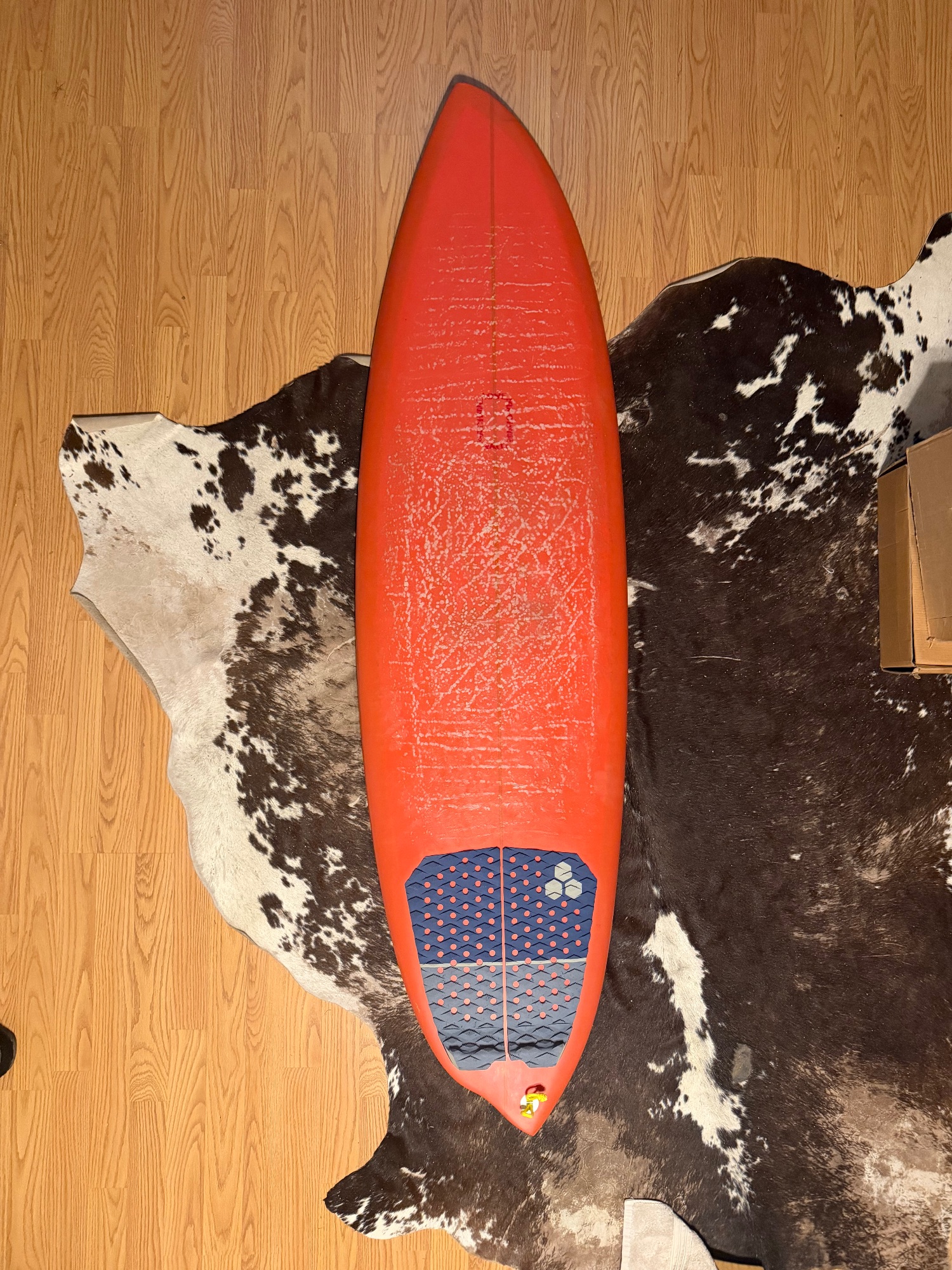
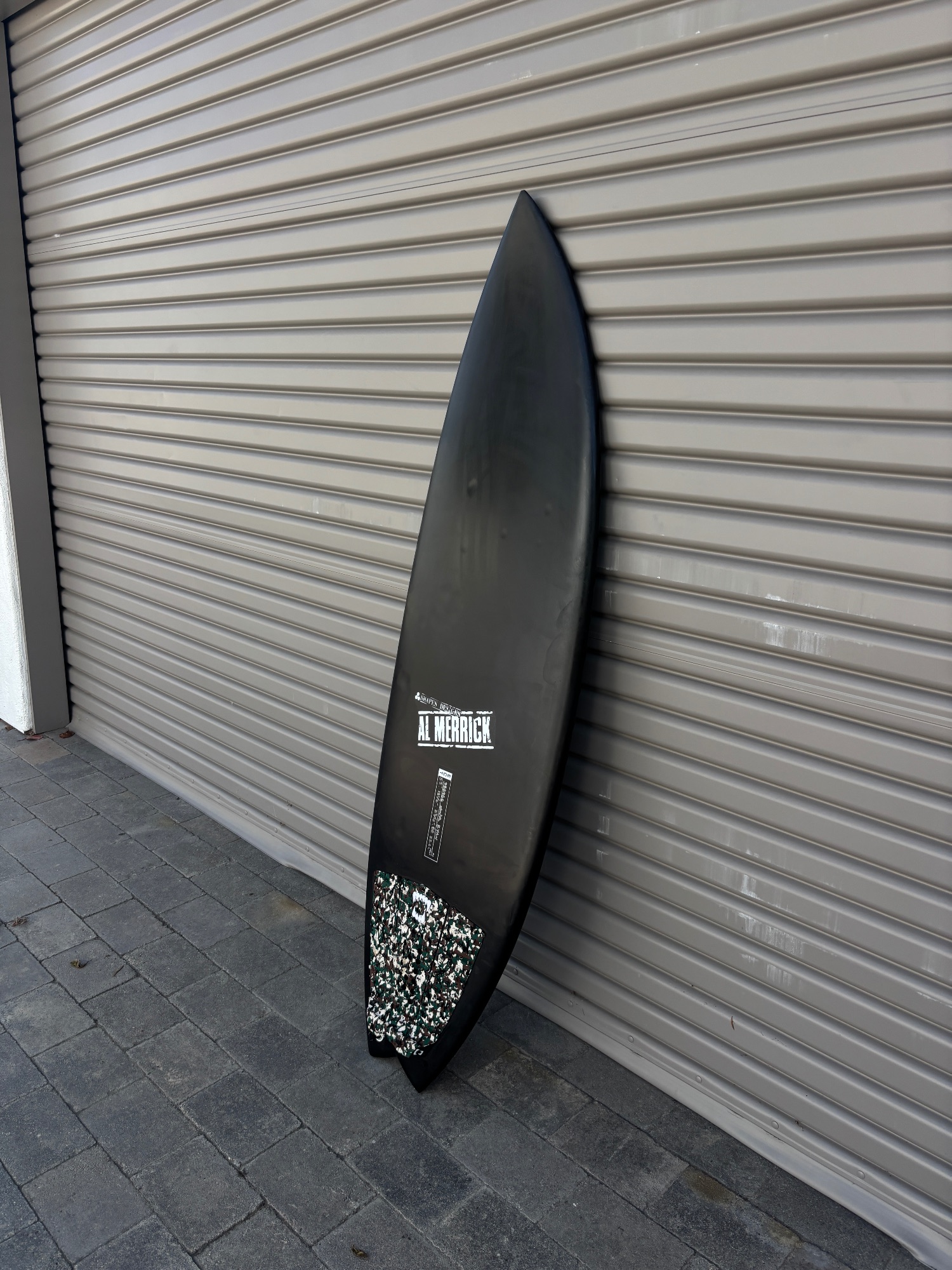
Shortboards typically range from 5'6" to about 6'6", with low volume, narrow rails, and thin profiles built for aggressive, performance surfing. They're best for experienced riders who want speed, sharp turns, and aerial capability. In the used market, popular brands like Channel Islands, Lost Mayhem, Firewire, and JS appear frequently and tend to hold their value well. A performance shortboard that cost $800–$900 new might sell used for $350–$500 in good condition.
Used Longboards
Longboards run 9' to 10' or longer, with higher volume, fuller rails, and more surface area. They suit beginners still finding their feet, cruisy surfers who enjoy small-wave sessions, and dedicated nose riders. You'll find both classic single-fin designs and modern three-fin setups. Expect heavier glassing and more foam, which contribute to both durability and weight. Solid used longboards in good condition typically fall in the $150–$350 range, while premium boards from respected shapers can reach $350–$600.
Used Fish and Alternative Shapes
Fish boards (roughly 5'–6', wider, with flatter rocker) and hybrid or groveler designs blend longboard stability with shortboard responsiveness. They're ideal for intermediate surfers looking to have fun in small, mushy waves - and they're among the most popular "experiment" boards for surfers building out a quiver. Funboards and other alternative shapes also fall here, offering forgiving outlines that work across a range of conditions.
What to Look For in Used Surfboards
Knowing how to evaluate a used board separates a smart purchase from an expensive mistake. Check board dimensions, condition, and repairs before buying - these factors drive both performance and resale value.
Board Condition and Damage
When buying a used surfboard, inspect in bright, natural light to reveal imperfections. Pressure dents from knees or feet on the deck are mostly cosmetic and generally acceptable. Be cautious of boards with significant creases or buckles that ruin structural integrity - these are deal-breakers. A clean, professional repair isn't necessarily bad; numerous sloppy repairs are a warning sign. Heavy yellowing or dark stains around dings indicate potential water damage. For best results, ask the seller about the board's history including repairs and storage.
Foam and Construction Quality
Look for soft spots or discolored areas that suggest delamination - fiberglass lifting from the foam causes hollow sounds, water ingress, and lost performance. An unusually heavy board may indicate it has absorbed water through cracks. Polyurethane (PU) boards with polyester resin are the traditional construction: easier to repair but more prone to yellowing and water absorption over time. Epoxy/EPS boards are lighter and more resistant to water infiltration, but they require epoxy-specific repair skills. Understanding the construction type helps you assess whether past repairs were done correctly.
Fin Boxes and Hardware
Fins should be securely attached with no cracks or loose fin boxes. Fin box damage is one of the most expensive repairs on a surfboard, so check FCS, Futures, or single-fin setups carefully for any movement, hairline cracks, or separation from the board. Inspect the leash plug for integrity as well - look for cracks or missing washers. If fins or hardware are missing, factor replacement cost into your budget.
How to Choose the Right Used Surfboard
With the inspection criteria above in mind, here's how to turn those factors into a decision:
Skill level and experience - Check that the size and shape of the surfboard match your skill level. Beginners benefit from higher-volume boards (longboards, funboards) that offer stability and paddle power. Advanced surfers can look at lower-volume shortboards and performance shapes.
Local wave conditions - Consider your height, weight, and local wave conditions. A fish or hybrid works beautifully at a mushy beach break spot, while a performance shortboard shines in steeper, hollower waves. Match the board type to where you actually surf by looking at different surfboard styles and brands.
Budget considerations - Foam/soft-top beginner boards in good condition sell for $50–$120. Mid-range boards land between $150–$350. Premium name-brand boards in excellent condition can exceed $400. New boards often lose 40–60% of their value in the first season, so buying used captures most of the performance at a significant discount.
Intended use - Decide whether this board will be your daily driver or an experimental addition to your quiver. A daily driver warrants spending more for excellent condition and the right dimensions. An experiment board - trying a new shape, testing a different volume - can tolerate more cosmetic wear as long as the structure is sound, especially when you have plenty of used and new surfboards for sale to choose from.
Frequently Asked Questions
How much should I pay for a used surfboard?
Used surfboards are sold as-is without warranties, so price should reflect condition carefully. Expect to pay roughly 40–60% of the original price for a board in good to excellent condition. Soft-top beginner boards go for $50–$120. Performance shortboards from recognized brands in solid shape typically sell between $250–$500. Longboards and mid-lengths in good condition range from $150–$600 depending on brand and construction. Boards with water damage, delamination, or broken fin boxes should be priced substantially lower. Inspect used surfboards for structural damage like waterlogging and cracks before agreeing on any sale.
Where can I find quality used surfboards for sale?
Several options exist. USEDSURF has over 800 boards available at any time - the world's largest dedicated used surfboard inventory. Progression Surf Shop has over 300 used boards available in-store. The Board Source has over 300 used surfboards available and is open daily from 10 AM to 4 PM; customers praise The Board Source for knowledgeable staff, with surfers like George Craig rating it a great experience and Dustin Speck calling it the best in the business. Seaside Surf Shop's inventory includes various board types as well.
For online buying, Reswell is a dedicated surf-gear marketplace where you can browse listings filtered by board type, condition, and size - with surfboard-specific categories that help you find exactly what you need. Sellers create detailed listings with photos, dimensions, and condition labels, and you can check recently sold boards to understand current market pricing and trending brands.
What should I do if I want to sell my used surfboard?
Start by cleaning off old wax, repairing small dings, and taking clear photos in natural light. Describe dimensions (length, width, thickness), approximate volume, construction type, and any repairs honestly. Include what comes with the board - fins, leash, bag, and even surf apparel like boardshorts or rash guards - as these details raise value.
Price competitively by checking similar listings across platforms. Then list on a surf-specific marketplace where buyers already understand board types and value. Reswell's selling tools help streamline the process with listing templates, condition categories, and exposure to a community of surfers actively searching for boards. You can also take your board to a local shop for consignment, though commission rates typically run 25–35%.
Is it safe to buy used surfboards online?
It can be, with the right precautions. Ask sellers for detailed photos of every angle - deck, bottom, rails, nose, tail, fin boxes - taken in natural light. Request specific dimensions and ask questions about repair history, storage conditions, and construction type. Look for platforms that offer condition labels and structured listings rather than vague descriptions. Reswell recommends in-person pickup when possible so buyers can inspect boards firsthand and use the flick/sound test to detect hidden wet sections. For shipped boards, Reswell's purchase protection and secure payment tools help reduce risk, and their FAQ section covers common questions about the process.
Start Your Used Surfboard Journey
Buying used is one of the smartest moves a surfer can make - you get proven shapes, respected brands, and real performance at a price that lets you build your quiver without hesitation. The stock of quality used boards across dedicated shops and platforms is larger than ever, and modern selling tools make it easy for surfers to list, sell, and find boards matched to their needs. Browse what's available, check the condition carefully, and get started on your next session with a board that works - without the new-board price tag.